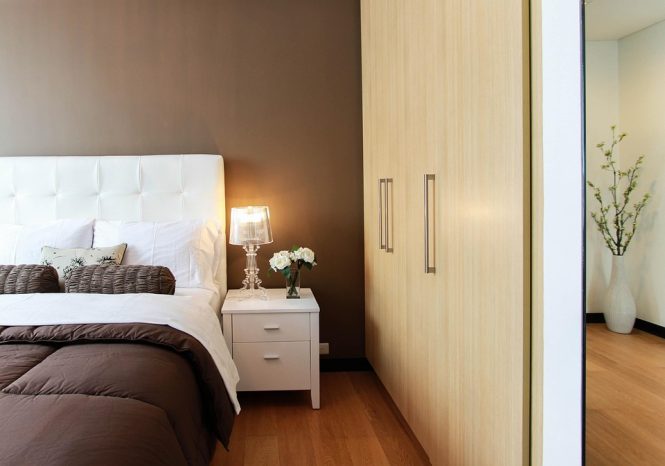
Furniture for a Restful Night’s Sleep: The Science Behind Bedroom Design
A good night’s sleep is essential for our physical and mental well-being. While many factors can affect the quality of our sleep, the design of our bedroom and the furniture within it play a significant role. In this article, we will explore the science behind bedroom design and how furniture can be chosen to promote a restful night’s sleep.
The Importance of Sleep
Sleep is a vital component of our daily lives, and it is estimated that we spend around one-third of our lives in bed. During sleep, our body repairs and regenerates tissues, builds bone and muscle, and strengthens our immune system. Additionally, sleep helps to improve cognitive function, including attention, memory, and problem-solving skills. A lack of sleep, on the other hand, can lead to a range of negative effects, including fatigue, decreased productivity, and increased risk of chronic diseases such as diabetes and cardiovascular disease.
The Science of Bedroom Design
When it comes to designing a bedroom, there are several factors to consider in order to create an environment that promotes a restful night’s sleep. These include:
- Lighting: Light can have a significant impact on our sleep-wake cycle, also known as our circadian rhythm. Exposure to natural light during the day helps to regulate our circadian rhythm, while darkness at night helps to promote sleep. Therefore, it is essential to use lighting in the bedroom that is dim and warm, such as table lamps or floor lamps with soft shades.
- Temperature: The ideal temperature for sleep is between 60-67°F (15-19°C). A temperature that is too hot or too cold can disrupt sleep, so it is essential to use a thermostat or a heating/cooling system to maintain a comfortable temperature.
- Noise: Noise can be a significant disruptor of sleep, so it is essential to use sound-absorbing materials, such as acoustic panels or thick curtains, to reduce noise levels in the bedroom.
- Color: The color scheme of the bedroom can also impact sleep. Cool colors such as blue, green, and purple can promote relaxation and sleep, while warm colors such as red, orange, and yellow can stimulate the brain and make it harder to fall asleep.
Furniture for a Restful Night’s Sleep
When it comes to choosing furniture for the bedroom, there are several factors to consider in order to promote a restful night’s sleep. These include:
- Bed: The bed is the most critical piece of furniture in the bedroom, and it should be chosen with care. A comfortable mattress with the right level of firmness and support can help to promote a restful night’s sleep. Additionally, the bed should be positioned in a way that creates a sense of calm and relaxation, such as away from the door and any windows.
- Nightstands: Nightstands can be a useful piece of furniture in the bedroom, providing a place to store books, glasses, and other essentials within easy reach. However, they should be chosen with care, as cluttered nightstands can create a sense of chaos and disrupt sleep.
- Dresser: A dresser can be a useful piece of furniture in the bedroom, providing a place to store clothes and other personal items. However, it should be chosen with care, as a cluttered dresser can create a sense of chaos and disrupt sleep.
- Chair: A comfortable chair can be a great addition to the bedroom, providing a place to relax and read before bed. However, it should be chosen with care, as a chair that is too comfortable can make it difficult to get out of bed in the morning.
The Benefits of Minimalism
When it comes to bedroom design, minimalism can be a powerful tool for promoting a restful night’s sleep. A cluttered bedroom can create a sense of chaos and disrupt sleep, while a minimalist bedroom can create a sense of calm and relaxation. Some benefits of minimalism in the bedroom include:
- Reduced stress: A cluttered bedroom can create a sense of stress and anxiety, while a minimalist bedroom can create a sense of calm and relaxation.
- Improved sleep: A minimalist bedroom can help to promote a restful night’s sleep by reducing distractions and creating a sense of calm.
- Increased productivity: A minimalist bedroom can help to improve productivity by reducing clutter and creating a sense of focus.
Conclusion
In conclusion, the design of the bedroom and the furniture within it can have a significant impact on the quality of our sleep. By considering factors such as lighting, temperature, noise, and color, and choosing furniture that promotes a restful night’s sleep, we can create a bedroom that is conducive to a good night’s sleep. Additionally, embracing minimalism in the bedroom can help to reduce stress, improve sleep, and increase productivity. By prioritizing sleep and creating a bedroom that promotes relaxation and calm, we can wake up feeling rested, refreshed, and ready to take on the day.


