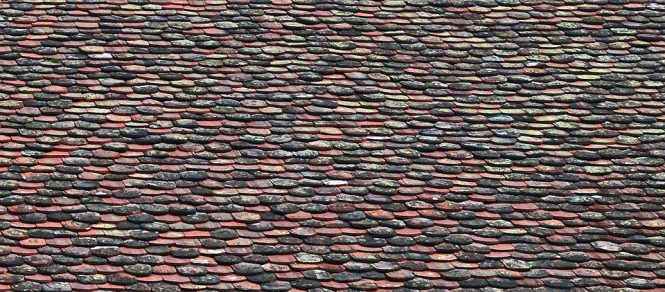
Time to Top Off: When to Consider Replacing Your Roof
As a homeowner, it’s essential to keep a watchful eye on the condition of your roof. A well-maintained roof not only protects your home from the elements but also adds to its curb appeal and overall value. However, roofs don’t last forever, and there comes a time when repairs are no longer enough, and replacement becomes the best option. In this article, we’ll explore the signs that indicate it’s time to consider replacing your roof.
Age: The Ultimate Indicator
The average lifespan of a roof varies depending on the material used. Asphalt shingle roofs, for example, typically last between 20 to 30 years, while metal roofs can last up to 50 years or more. If your roof is nearing or has exceeded its expected lifespan, it may be time to start thinking about replacement. Even if your roof appears to be in good condition, its age can be a significant factor in determining its overall integrity.
Visible Signs of Wear and Tear
There are several visible signs that can indicate your roof is in need of replacement. These include:
- Missing, curled, or broken shingles
- Cracked or damaged flashing around chimneys, vents, and skylights
- Granule loss, which can cause the roof to appear bare or worn
- Sagging or uneven rooflines
- Water stains or leaks on the ceiling or walls
Performance Issues
If your roof is no longer performing as it should, it may be time to consider replacement. Some common performance issues include:
- Leaks: If you’re experiencing frequent or persistent leaks, it may be a sign that your roof is failing.
- Energy Efficiency: If your energy bills are increasing, it could be due to a poorly insulated or inefficient roof.
- Ventilation: If your roof is not properly ventilated, it can lead to moisture buildup, causing damage to the roof and underlying structure.
Environmental Factors
Weather conditions and environmental factors can also play a significant role in determining the lifespan of your roof. If you live in an area prone to:
- High winds: Which can cause shingles to be torn off or damaged
- Hail: Which can cause dents and cracks in shingles
- Extreme temperatures: Which can cause shingles to become brittle and prone to cracking
- Storms: Which can cause damage to the roof and underlying structure
Cost-Benefit Analysis
When deciding whether to repair or replace your roof, it’s essential to consider the cost-benefit analysis. While repairs may seem like a more cost-effective option in the short term, they may not be the best long-term solution. If your roof is nearing the end of its lifespan, it may be more cost-effective to replace it entirely, rather than continuing to repair it.
Conclusion
Replacing your roof can be a significant investment, but it’s essential to consider the long-term benefits. A new roof can increase your home’s value, improve its energy efficiency, and provide peace of mind. If you’re unsure whether it’s time to replace your roof, consult with a professional roofing contractor who can assess your roof’s condition and provide recommendations. Remember, a well-maintained roof is essential to protecting your home and its occupants, so don’t wait until it’s too late – consider replacing your roof today.