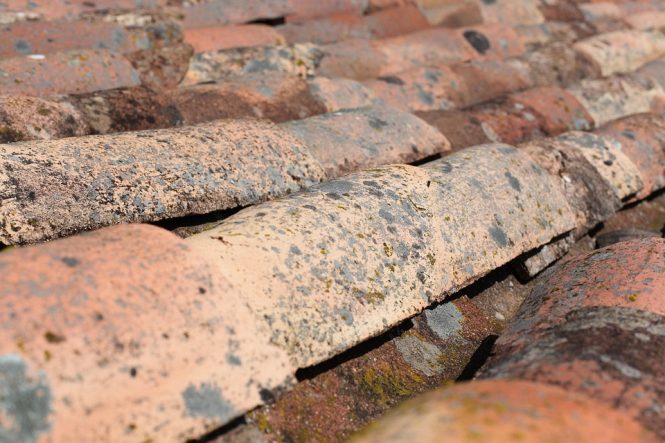
The Roof is On Fire: How to Spot and Fix Common Roofing Issues
As the old saying goes, “the roof is on fire” – and while that might be a metaphorical expression, it’s not too far-fetched when it comes to the importance of maintaining your roof. A well-functioning roof is essential to the integrity and safety of your home, and neglecting to address common roofing issues can lead to costly repairs, water damage, and even structural problems. In this article, we’ll explore the most common roofing issues, how to spot them, and provide guidance on how to fix them before they become major headaches.
Common Roofing Issues
- Missing or Loose Shingles: Shingles are the first line of defense against the elements, and missing or loose shingles can allow water to seep into your home. Look for gaps, cracks, or missing shingles, especially around chimneys, vents, and skylights.
- Leaky Gutters and Downspouts: Clogged gutters and downspouts can cause water to accumulate and flow back into your home, leading to water damage and foundation problems. Check for sagging gutters, rust spots, and overflowing water.
- Cracked or Damaged Flashing: Flashing is the material used to seal joints and valleys on your roof. Cracked or damaged flashing can allow water to penetrate and cause damage. Inspect flashing around chimneys, vents, and skylights for signs of wear.
- Roof Rot and Decay: Roof rot and decay can occur when water accumulates on your roof, causing damage to the underlying structure. Look for signs of rot, such as sagging, warped, or soft spots on your roof.
- Animal Infestation: Animals like squirrels, raccoons, and birds can cause significant damage to your roof, chimneys, and vents. Check for signs of animal activity, such as droppings, nests, or chewed-through shingles.
How to Spot Roofing Issues
Regular roof inspections are crucial to identifying potential issues before they become major problems. Here are some tips for spotting roofing issues:
- Conduct Regular Inspections: Inspect your roof at least twice a year, ideally in the spring and fall, to check for damage, wear, and tear.
- Look for Signs of Water Damage: Check for water stains, discoloration, or mineral deposits on your ceiling, walls, and floors.
- Check for Missing or Loose Shingles: Inspect your roof from the ground or with binoculars to spot missing or loose shingles.
- Inspect Gutters and Downspouts: Check gutters and downspouts for blockages, sagging, or rust spots.
- Hire a Professional: If you’re not comfortable with heights or unsure about inspecting your roof, hire a professional roofer to conduct a thorough inspection.
How to Fix Common Roofing Issues
Fixing common roofing issues requires a combination of DIY skills and professional expertise. Here are some tips for fixing common roofing issues:
- Replace Missing or Loose Shingles: Replace missing or loose shingles with new ones to prevent water damage and further deterioration.
- Clean and Clear Gutters and Downspouts: Clean and clear gutters and downspouts to ensure proper water flow and prevent clogging.
- Repair or Replace Flashing: Repair or replace damaged flashing to prevent water penetration and further damage.
- Address Roof Rot and Decay: Address roof rot and decay by repairing or replacing damaged structures, such as rafters, trusses, or roof decking.
- Seal Entry Points: Seal entry points, such as chimneys, vents, and skylights, to prevent animal infestation and water damage.
Prevention is Key
Preventing roofing issues is often easier and less expensive than fixing them. Here are some tips for preventing common roofing issues:
- Regular Maintenance: Regularly inspect and maintain your roof to identify potential issues before they become major problems.
- Trim Trees and Branches: Trim trees and branches to prevent damage from falling debris and animal infestation.
- Install Gutter Guards: Install gutter guards to prevent clogging and ensure proper water flow.
- Use Durable Materials: Use durable materials, such as asphalt shingles or metal roofing, to minimize wear and tear.
- Hire a Professional: Hire a professional roofer to conduct regular inspections and maintenance to ensure your roof remains in good condition.
Conclusion
The roof is on fire – or at least, it could be if you neglect to address common roofing issues. By spotting and fixing common roofing issues, you can prevent costly repairs, water damage, and structural problems. Remember to conduct regular inspections, look for signs of water damage, and hire a professional if you’re unsure about inspecting or fixing your roof. With proper maintenance and prevention, you can keep your roof in good condition and ensure the integrity and safety of your home.