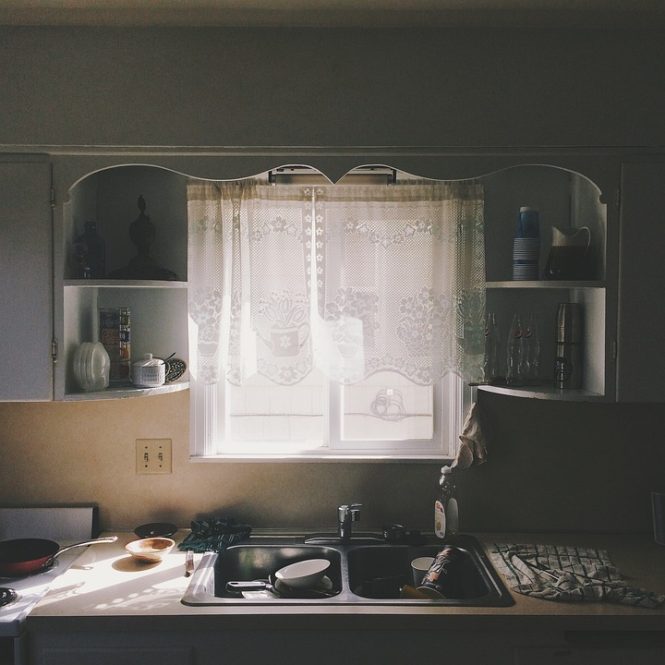
The Art of Mixing and Matching: Creating a Unique Kitchen Cabinet Look
When it comes to designing a kitchen, one of the most important elements to consider is the cabinetry. Kitchen cabinets not only provide essential storage and functionality, but they also play a significant role in defining the overall aesthetic of the space. While many homeowners opt for a traditional, matched set of cabinets, the art of mixing and matching different styles, materials, and finishes can create a truly unique and visually striking kitchen cabinet look.
Benefits of Mixing and Matching
Mixing and matching kitchen cabinets offers several benefits, including:
- Added visual interest: Combining different cabinet styles, materials, and finishes can add depth and visual interest to the kitchen, creating a space that is both beautiful and engaging.
- Increased flexibility: Mixing and matching cabinets allows homeowners to combine different functions and storage solutions, creating a more functional and efficient kitchen.
- Personalized style: By combining different elements, homeowners can create a kitchen cabinet look that reflects their personal style and preferences.
Tips for Mixing and Matching Kitchen Cabinets
While mixing and matching kitchen cabinets can be a fun and creative process, it’s essential to consider a few key factors to ensure a cohesive and attractive look. Here are some tips to get you started:
- Start with a unifying element: Choose a common thread, such as a similar style or material, to tie the different cabinets together.
- Consider the 60-30-10 rule: Allocate 60% of the cabinets to a dominant style, 30% to a secondary style, and 10% to an accent style to create a balanced look.
- Play with texture and finish: Combine different textures and finishes, such as matte and glossy, or wood and metal, to add depth and visual interest.
- Don’t forget about hardware: Choose hardware that complements the different cabinet styles and adds a touch of personality to the space.
- Balance bold statements: If using a bold or statement-making cabinet, balance it with more subtle elements to avoid overwhelming the space.
Popular Mixing and Matching Combinations
Some popular mixing and matching combinations include:
- Traditional and modern: Combine classic, raised-panel cabinets with sleek, flat-panel cabinets for a unique blend of traditional and modern styles.
- Wood and metal: Pair wooden cabinets with metal cabinets or accents for a striking contrast of materials and textures.
- Bold colors and neutrals: Combine brightly colored cabinets with neutral-toned cabinets for a fun and playful look.
- Different door styles: Mix and match different door styles, such as slab, shaker, and raised-panel, to create a visually interesting and eclectic look.
Real-World Examples
To illustrate the art of mixing and matching kitchen cabinets, consider the following real-world examples:
- A kitchen that combines white, shaker-style cabinets with a statement-making, bold red island cabinet and metal accents.
- A kitchen that pairs traditional, raised-panel cabinets with modern, flat-panel cabinets and a sleek, metallic backsplash.
- A kitchen that mixes different door styles, such as slab and shaker, with a combination of wood and metal materials.
Conclusion
The art of mixing and matching kitchen cabinets offers a world of creative possibilities for homeowners looking to create a unique and visually striking kitchen. By considering factors such as unifying elements, texture, and balance, and exploring different combinations of styles, materials, and finishes, homeowners can create a kitchen cabinet look that reflects their personal style and adds personality to the space. Whether you’re looking to make a bold statement or simply add some visual interest to your kitchen, the art of mixing and matching is sure to inspire and delight.