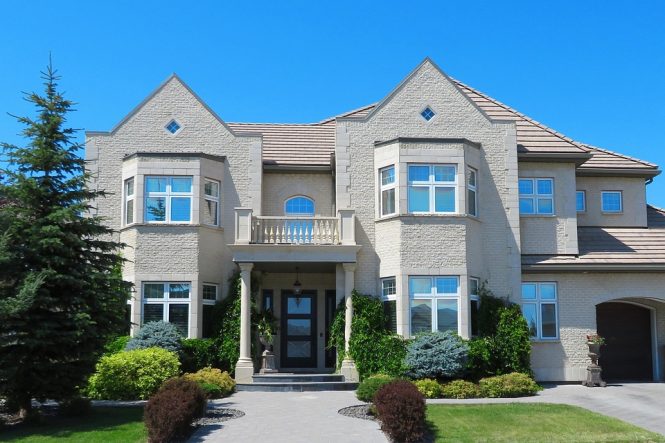
The Ultimate Guide to Creating a Beautiful and Functional Front Yard
Your front yard is the first thing that people see when they approach your home, and it can set the tone for the entire exterior of your property. A well-designed front yard can not only boost your home’s curb appeal but also provide a functional and inviting space for relaxation and entertainment. In this article, we will provide you with a comprehensive guide on how to create a beautiful and functional front yard that reflects your personal style and meets your needs.
I. Assessing Your Front Yard
Before you start designing your front yard, it’s essential to assess the space you have available. Take note of the following factors:
- The size and shape of your front yard
- The amount of sunlight and shade it receives
- The type of soil and drainage
- The existing features, such as trees, gardens, and hardscapes
- The style and architecture of your home
II. Defining Your Style
Your front yard should reflect your personal style and complement the architecture of your home. Consider the following styles:
- Modern: clean lines, minimal ornamentation, and a focus on functionality
- Traditional: classic designs, ornate details, and a emphasis on symmetry
- Rustic: natural materials, earthy tones, and a cozy, welcoming atmosphere
- Cottage: charming, whimsical, and a focus on flowering plants and gardens
III. Choosing the Right Plants
The right plants can make or break the beauty and functionality of your front yard. Consider the following factors when selecting plants:
- Climate and hardiness zone
- Soil type and drainage
- Sunlight and shade requirements
- Maintenance requirements
- Color, texture, and fragrance
Some popular front yard plants include:
- Grasses and groundcovers for low-maintenance lawns
- Shrubs and hedges for privacy and structure
- Perennials and annuals for colorful blooms and texture
- Trees for shade, beauty, and wildlife habitat
IV. Designing Your Hardscape
Your hardscape refers to the non-living elements of your front yard, such as sidewalks, driveways, and patios. Consider the following design elements:
- Materials: concrete, asphalt, brick, stone, or gravel
- Pattern and texture: smooth, textured, or patterned
- Color: neutral, bold, or complementary to your home’s exterior
- Functionality: accessibility, drainage, and maintenance
V. Adding Outdoor Lighting
Outdoor lighting can enhance the beauty and functionality of your front yard, especially in the evening hours. Consider the following types of lighting:
- Pathway lighting: solar-powered or low-voltage lights that illuminate walkways and driveways
- Accent lighting: spotlights or uplights that highlight features such as plants, trees, or architectural elements
- Ambient lighting: string lights or lanterns that create a warm and inviting atmosphere
VI. Incorporating Decorative Elements
Decorative elements can add personality and style to your front yard. Consider the following elements:
- Garden ornaments: statues, bird baths, or sundials
- Water features: fountains, ponds, or birdbaths
- Outdoor furniture: benches, chairs, or tables
- Seasonal decorations: holiday lights, wreaths, or garlands
VII. Maintaining Your Front Yard
A beautiful and functional front yard requires regular maintenance to keep it looking its best. Consider the following tasks:
- Mowing and edging the lawn
- Pruning and trimming plants
- Watering and fertilizing
- Cleaning and repairing hardscapes and decorative elements
Conclusion
Creating a beautiful and functional front yard requires careful planning, design, and maintenance. By assessing your space, defining your style, choosing the right plants, designing your hardscape, adding outdoor lighting, incorporating decorative elements, and maintaining your front yard, you can create a stunning and inviting exterior space that reflects your personal style and meets your needs. Remember to consider your climate, soil type, and maintenance requirements when making design decisions, and don’t be afraid to experiment and try new things. With these tips and guidelines, you’ll be well on your way to creating the ultimate front yard that you’ll enjoy for years to come.