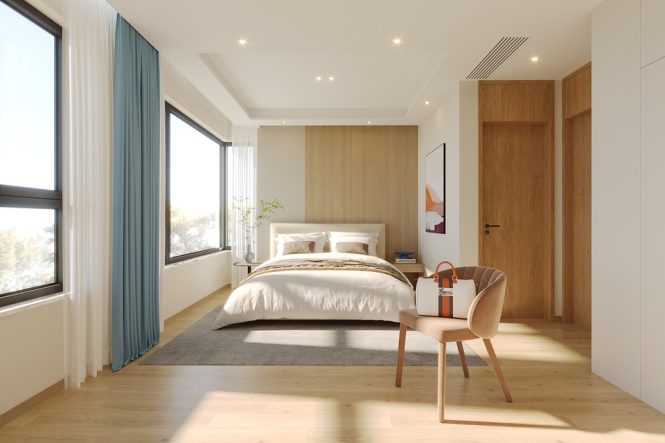
The Psychology of Bedroom Design: How Your Furniture Choices Can Impact Your Mental Health
When it comes to designing our bedrooms, we often focus on aesthetic appeal and functionality. However, the furniture choices we make can have a significant impact on our mental health. The bedroom is a sacred space where we retreat to rest, relax, and recharge, and the way it is designed can either promote or hinder our well-being. In this article, we will explore the psychology of bedroom design and how your furniture choices can affect your mental health.
The Impact of Clutter on Mental Health
Clutter is a common enemy of mental health. A cluttered bedroom can contribute to feelings of anxiety, stress, and overwhelm. When our surroundings are chaotic, our minds can become chaotic too. Research has shown that individuals who live in cluttered environments tend to experience higher levels of cortisol, the stress hormone, than those who live in tidy spaces. To mitigate this, consider investing in a bed with built-in storage, such as drawers or shelves, to keep clutter at bay. A clutter-free bedroom can help create a sense of calm and serenity, making it easier to unwind and relax.
The Power of Color
Color is a powerful tool in bedroom design, and it can have a significant impact on our mood and mental health. Different colors can evoke different emotions, and some colors are more conducive to relaxation than others. For example, blue is often associated with feelings of calmness and tranquility, while green is linked to balance and harmony. Consider incorporating these colors into your bedroom design through walls, bedding, or furniture. Avoid bold and bright colors, which can stimulate the brain and make it difficult to wind down.
The Importance of Lighting
Lighting is another critical aspect of bedroom design that can affect our mental health. Natural light is essential for regulating our circadian rhythms, and exposure to sunlight can boost our mood and energy levels. However, in the evening, harsh lighting can interfere with our sleep and make it difficult to relax. Consider using table lamps or floor lamps with soft shades to create a warm and cozy ambiance. Dimmable lights can also help create a relaxing atmosphere, allowing you to adjust the brightness to suit your mood.
The Role of Furniture in Bedroom Design
The furniture we choose for our bedrooms can also have a significant impact on our mental health. A comfortable bed is essential for a good night’s sleep, and a supportive mattress can help alleviate stress and anxiety. Consider investing in a high-quality mattress and pairing it with a comfortable headboard and bedside tables. Avoid cluttering the bedroom with too much furniture, as this can create a sense of chaos and overwhelm.
The Psychology of Minimalism
Minimalism is a design trend that has gained popularity in recent years, and for good reason. A minimalist bedroom can help create a sense of calm and serenity, making it easier to relax and unwind. By removing clutter and distractions, we can focus on the present moment and let go of worries and anxieties. Consider adopting a minimalist approach to bedroom design, using simple and clean lines, and avoiding excess furniture and decor.
The Impact of Technology on Sleep
Technology is a significant contributor to sleep disturbances, and the bedroom is no exception. The blue light emitted by smartphones, tablets, and computers can suppress melatonin production, making it difficult to fall asleep. Consider creating a tech-free zone in the bedroom, avoiding the use of electronic devices at least an hour before bedtime. Instead, opt for a book or a relaxing activity to help wind down.
Conclusion
The psychology of bedroom design is a complex and multifaceted topic, and the furniture choices we make can have a significant impact on our mental health. By creating a clutter-free, calming, and comfortable environment, we can promote relaxation, reduce stress and anxiety, and improve our overall well-being. Remember, the bedroom is a sacred space, and it’s essential to design it with our mental health in mind. By making conscious choices about the furniture, color, lighting, and technology we use, we can create a haven that nurtures our minds, bodies, and spirits.