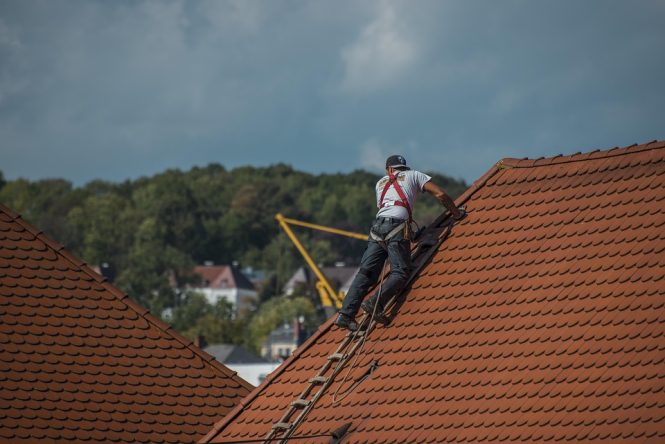
Roofing Nightmares: Common Mistakes to Avoid in the Replacement Process
Replacing a roof can be a daunting and expensive task, but it’s a necessary one to ensure the integrity and safety of your home. However, the process can quickly turn into a nightmare if you’re not careful. In this article, we’ll explore the common mistakes to avoid when replacing your roof, so you can steer clear of costly errors and ensure a successful installation.
1. Not Doing Your Research
One of the most significant mistakes homeowners make is not doing their research before hiring a roofing contractor. It’s essential to check reviews, ask for referrals, and verify licenses and certifications to ensure you’re working with a reputable and experienced professional. A dishonest or incompetent contractor can lead to subpar work, delayed completion, and even legal issues.
2. Ignoring Local Building Codes and Regulations
Failing to comply with local building codes and regulations can result in fines, penalties, and even a complete teardown of the new roof. It’s crucial to work with a contractor who is familiar with local regulations and ensures that the replacement process meets all necessary standards.
3. Not Inspecting the Roof Deck
The roof deck is the foundation of your roof, and it’s essential to inspect it before installing new roofing materials. If the deck is damaged or rotten, it can compromise the entire roof, leading to costly repairs and even safety hazards. A thorough inspection can help identify potential issues and prevent future problems.
4. Choosing the Wrong roofing Materials
Selecting the right roofing materials is critical to the success of your replacement project. Consider factors such as climate, budget, and personal preferences when choosing materials. For example, asphalt shingles may be suitable for most homes, but metal or clay tiles may be more appropriate for homes in areas with high winds or extreme weather conditions.
5. Not Planning for Ventilation
Proper ventilation is essential for a healthy and functional roof. Without adequate ventilation, moisture can become trapped, leading to mold, mildew, and even structural damage. Ensure that your contractor includes ventilation in the replacement plan, such as installing ridge vents or power ventilators.
6. Not Considering Energy Efficiency
A new roof is an excellent opportunity to improve energy efficiency and reduce energy bills. Consider installing energy-efficient roofing materials, such as reflective shingles or cool roofing systems, which can help reduce heat gain and keep your home cooler.
7. Not Budgeting for Unexpected Expenses
Roof replacement projects can be unpredictable, and unexpected expenses can arise. It’s essential to budget for contingencies, such as discovering hidden damage or encountering unexpected weather conditions. A reputable contractor will work with you to establish a comprehensive budget and ensure that you’re prepared for any surprises.
8. Not Ensuring a Comprehensive Warranty
A comprehensive warranty is essential for protecting your investment and ensuring that you’re covered in case of defects or issues. Look for a contractor who offers a robust warranty that covers materials, labor, and workmanship.
9. Not Maintaining Communication
Effective communication is critical throughout the replacement process. Ensure that you establish a clear line of communication with your contractor, and don’t hesitate to ask questions or express concerns. A reputable contractor will keep you informed about the project’s progress and address any issues promptly.
10. Not Inspecting the Final Product
Finally, it’s essential to inspect the final product to ensure that it meets your expectations and standards. Check for any defects, damage, or issues, and don’t hesitate to address them with your contractor. A thorough inspection can help prevent future problems and ensure that your new roof is safe, functional, and durable.
In conclusion, replacing a roof can be a complex and challenging process, but by avoiding common mistakes, you can ensure a successful installation and a safe, functional roof for years to come. Remember to do your research, inspect the roof deck, choose the right materials, plan for ventilation, consider energy efficiency, budget for unexpected expenses, ensure a comprehensive warranty, maintain communication, and inspect the final product. By following these tips, you can avoid roofing nightmares and enjoy a stress-free replacement process.