The Rise of the Multi-Functional Room: How to Create a Space that Serves Multiple Purposes
In today’s fast-paced, ever-changing world, the way we live and work is constantly evolving. With the rise of remote work, urbanization, and minimalism, our homes and living spaces are being reimagined to maximize functionality and efficiency. One of the most significant trends in home design is the emergence of the multi-functional room – a space that serves multiple purposes, adapting to the diverse needs of its occupants. In this article, we will explore the concept of multi-functional rooms, their benefits, and provide practical tips on how to create a space that serves multiple purposes.
What is a Multi-Functional Room?
A multi-functional room is a space that combines two or more functions, such as a living room and home office, or a kitchen and dining area. This design approach allows homeowners to optimize their square footage, reducing the need for separate rooms dedicated to specific activities. By merging functions, multi-functional rooms promote flexibility, versatility, and efficiency, making them perfect for small homes, apartments, or shared living spaces.
Benefits of Multi-Functional Rooms
- Space optimization: By combining functions, multi-functional rooms help reduce the overall square footage required for a home, making them ideal for small spaces or urban dwellings.
- Increased versatility: These rooms can adapt to different activities and purposes, allowing occupants to switch between tasks seamlessly.
- Improved functionality: Multi-functional rooms encourage efficient use of space, reducing clutter and promoting a more organized lifestyle.
- Enhanced creativity: The flexibility of multi-functional rooms can inspire creativity, as occupants are free to experiment with different layouts and purposes.
Creating a Multi-Functional Room: Tips and Ideas
- Assess your needs: Identify the activities and functions you want to combine in a single room. Consider your lifestyle, work habits, and personal preferences.
- Choose a theme: Select a unifying theme or style to tie the different functions together, ensuring a cohesive and harmonious space.
- Use zoning techniques: Divide the room into distinct zones or areas, each dedicated to a specific function, using furniture, lighting, or flooring to define the spaces.
- Select multi-functional furniture: Invest in pieces that serve multiple purposes, such as a sofa bed, a desk with storage, or a kitchen island with built-in seating.
- Incorporate storage: Ample storage is essential in a multi-functional room, helping to maintain a clutter-free environment and keeping each zone organized.
- Consider the flow: Plan the room’s layout to ensure a smooth flow between zones, minimizing obstacles and promoting easy navigation.
- Add versatile lighting: Install lighting fixtures that can be adjusted to suit different activities and ambiance, such as table lamps, floor lamps, or dimmable overhead lighting.
Examples of Multi-Functional Rooms
- Living room and home office: Combine a comfortable seating area with a dedicated workspace, using a desk and storage units to separate the two functions.
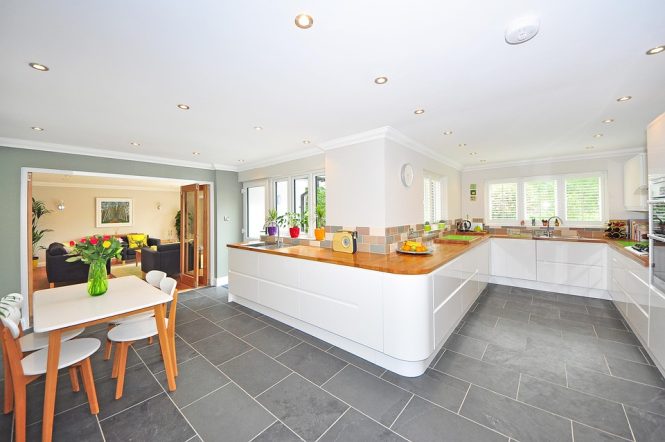
- Kitchen and dining area: Merge the kitchen and dining spaces, using a kitchen island or peninsula to create a seamless transition between cooking and eating.
- Guest room and home gym: Convert a spare room into a guest bedroom and home gym, using a Murphy bed and multi-functional storage units to accommodate both functions.
Conclusion
The rise of the multi-functional room reflects our changing lifestyles and the need for adaptable, efficient living spaces. By embracing this design approach, homeowners can create versatile, functional areas that serve multiple purposes, enhancing their overall quality of life. Whether you’re living in a small apartment or a large house, incorporating multi-functional rooms into your home design can help you optimize your space, promote creativity, and enjoy a more organized, clutter-free lifestyle.


