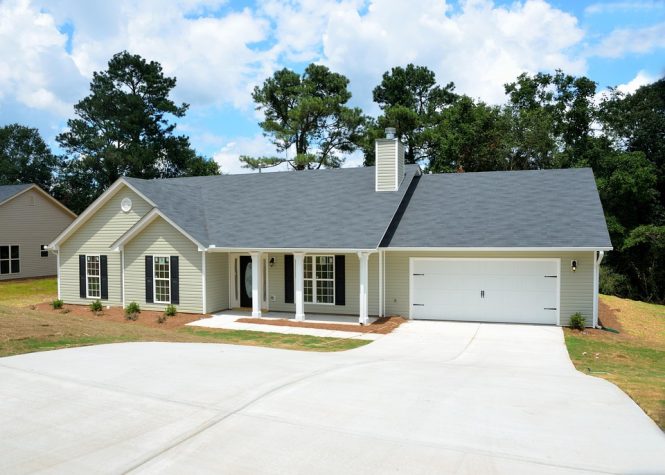
Sustainable and Stunning: Eco-Friendly Front Yard Landscaping Ideas
As homeowners, we often strive to create a welcoming and beautiful exterior space that reflects our personal style and connects us with the natural world. However, traditional front yard landscaping methods can have a significant impact on the environment, from water waste to chemical-laden fertilizers and pesticides. Fortunately, there are many eco-friendly front yard landscaping ideas that can help you create a stunning and sustainable outdoor space that not only benefits the environment but also enhances your home’s curb appeal.
Why Eco-Friendly Landscaping Matters
Before we dive into the ideas, it’s essential to understand the importance of eco-friendly landscaping. Traditional landscaping methods can have several negative effects on the environment, including:
- Water waste: Overwatering and inefficient irrigation systems can waste precious water resources and contribute to drought conditions.
- Chemical pollution: Fertilizers, pesticides, and herbicides can contaminate soil, air, and water, harming local wildlife and ecosystems.
- Carbon emissions: Gas-powered lawn equipment and transportation of landscaping materials can contribute to greenhouse gas emissions.
By adopting eco-friendly landscaping practices, you can reduce your environmental footprint, create a healthier and more sustainable outdoor space, and even save money on water and energy bills.
Eco-Friendly Front Yard Landscaping Ideas
Here are some stunning and sustainable front yard landscaping ideas to inspire you:
- Native Plant Gardens: Choose plants native to your region, which require less water, fertilizer, and pesticides. Native plants also attract local pollinators and provide a unique, low-maintenance beauty to your front yard.
- Rain Gardens: Create a shallow depression in your yard to collect and filter rainwater, reducing stormwater runoff and the burden on local waterways. Plant native species and enjoy the beauty of a self-sustaining ecosystem.
- Drought-Tolerant Landscaping: Incorporate succulents, cacti, and other drought-tolerant plants that require minimal watering, making them perfect for water-conscious homeowners.
- Permeable Pavers: Replace traditional concrete or asphalt with permeable pavers, which allow rainwater to percolate through and reduce runoff.
- Compost and Mulch: Create a compost pile to turn food waste and yard trimmings into nutrient-rich soil amendments. Mulch with organic materials like wood chips or leaves to retain moisture, suppress weeds, and regulate soil temperature.
- Solar-Powered Lighting: Illuminate your front yard with solar-powered lights, which harness the sun’s energy and eliminate the need for electricity.
- Edible Landscaping: Incorporate fruit trees, herb gardens, or vegetable beds into your front yard, providing a sustainable source of fresh produce and adding visual interest.
- Low-Maintenance Turf: Consider alternative turf options like clover or creeping thyme, which require less watering, mowing, and fertilizing than traditional grass lawns.
- Wildlife-Friendly Habitats: Create a haven for local wildlife by incorporating native plants, shrubs, and trees that provide food, shelter, and habitat for birds, bees, and other beneficial species.
- Recycled Materials: Get creative with recycled materials like reclaimed wood, repurposed stone, or repainted metal to add unique character to your front yard.
Tips for Implementing Eco-Friendly Landscaping
To ensure a successful and sustainable front yard landscaping project, follow these tips:
- Assess your yard’s conditions, including sunlight, soil type, and drainage, to choose the most suitable eco-friendly options.
- Consult with a professional landscaper or nursery expert to select native plants and materials.
- Start small, focusing on one area or feature at a time, to avoid overwhelming yourself and your budget.
- Maintenance is key: establish a regular routine for watering, pruning, and composting to keep your eco-friendly landscape thriving.
Conclusion
Eco-friendly front yard landscaping is not only a sustainable choice, but it can also enhance your home’s curb appeal, provide a unique and beautiful outdoor space, and contribute to a healthier environment. By incorporating these stunning and sustainable ideas into your landscaping project, you’ll be well on your way to creating a front yard that’s both beautiful and environmentally responsible. So why not get started today and join the movement towards a more sustainable and stunning outdoor space?


