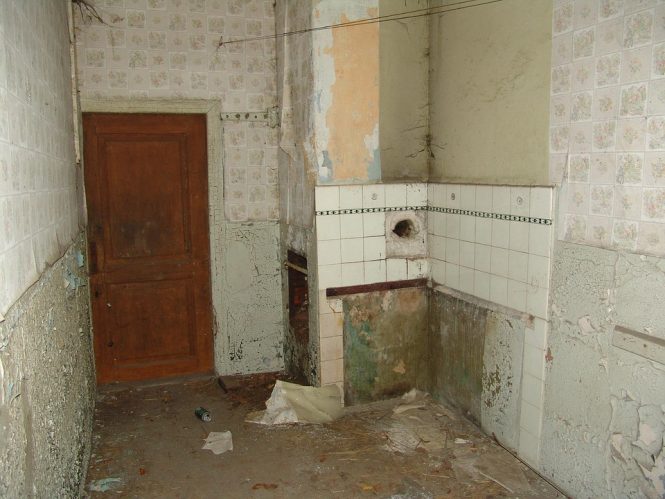
DIY Disasters: Common Mistakes to Avoid When Renovating Your Home
Renovating your home can be a thrilling and rewarding experience, but it can also be a recipe for disaster if you’re not careful. With the rise of DIY home renovation shows and online tutorials, many homeowners are tempted to take on projects themselves, without realizing the potential risks and consequences. In this article, we’ll explore the most common DIY disasters and provide valuable tips on how to avoid them.
1. Lack of Planning and Research
One of the most significant mistakes homeowners make when renovating their home is lack of planning and research. Without a clear plan and budget, you may end up with a project that’s poorly executed, over-budget, and behind schedule. Before starting any renovation project, take the time to research, plan, and budget carefully. Consider factors such as materials, labor, and permits required, and make sure you have a contingency plan in place.
2. Insufficient Permitting and Codes
Failure to obtain necessary permits and follow local building codes can result in costly fines, delays, and even safety hazards. Make sure you understand the regulations and requirements in your area and obtain the necessary permits before starting your project. It’s also essential to hire licensed and insured contractors who are familiar with local codes and regulations.
3. Electrical and Plumbing Mishaps
Electrical and plumbing work can be particularly hazardous if not done correctly. Improperly installed electrical systems can lead to fires, while faulty plumbing can cause water damage and health hazards. If you’re not experienced in these areas, it’s best to hire a professional electrician or plumber to ensure the work is done safely and correctly.
4. Structural Damage
Structural damage can be catastrophic, and it’s often caused by DIY projects that involve removing walls, installing new windows, or making other significant changes to the home’s structure. Before attempting any project that involves structural changes, consult with a professional to ensure that the work is done safely and correctly.
5. Poor Material Selection
Choosing the wrong materials for your renovation project can lead to a range of problems, from durability issues to safety hazards. For example, using low-quality roofing materials can lead to leaks and water damage, while using inferior flooring materials can result in slips and falls. Take the time to research and select materials that are suitable for your project and meet local building codes.
6. Overestimating Your Skills
It’s essential to be honest about your DIY skills and limitations. Don’t take on projects that are beyond your expertise, as this can lead to costly mistakes and safety hazards. If you’re not confident in your ability to complete a project, consider hiring a professional contractor who has the necessary skills and experience.
7. Not Accounting for Hidden Costs
Renovation projects often involve hidden costs, such as asbestos removal, termite damage, or mold remediation. Failure to account for these costs can blow your budget and cause significant delays. Make sure you factor in potential hidden costs when planning your project and have a contingency plan in place.
8. Ignoring Safety Precautions
Safety should always be your top priority when renovating your home. Ignoring safety precautions, such as wearing protective gear or following proper lifting techniques, can lead to injuries and even fatalities. Make sure you take the necessary safety precautions and follow all safety guidelines and regulations.
Conclusion
Renovating your home can be a rewarding experience, but it’s essential to approach the project with caution and careful planning. By avoiding common DIY disasters and taking the necessary precautions, you can ensure a successful and stress-free renovation project. Remember to research, plan, and budget carefully, and don’t hesitate to hire a professional contractor if you’re not confident in your ability to complete a project. With the right approach, you can create a beautiful and functional home that meets your needs and exceeds your expectations.
Tips for a Successful DIY Renovation
- Research and plan carefully: Take the time to research, plan, and budget carefully before starting your project.
- Hire professionals when necessary: Don’t be afraid to hire a professional contractor if you’re not confident in your ability to complete a project.
- Follow safety precautions: Always follow safety guidelines and regulations, and take the necessary precautions to avoid injuries and accidents.
- Obtain necessary permits: Make sure you obtain the necessary permits and follow local building codes to avoid costly fines and delays.
- Choose the right materials: Select materials that are suitable for your project and meet local building codes.
- Be realistic about your skills: Be honest about your DIY skills and limitations, and don’t take on projects that are beyond your expertise.
- Factor in hidden costs: Make sure you factor in potential hidden costs, such as asbestos removal or termite damage, and have a contingency plan in place.
By following these tips and avoiding common DIY disasters, you can ensure a successful and stress-free renovation project that meets your needs and exceeds your expectations.


