The Psychology of Kitchen Design: How to Create a Space that Boosts Mood and Productivity
When it comes to designing a kitchen, most people focus on the aesthetics and functionality of the space. However, the psychology of kitchen design plays a significant role in creating an environment that not only looks good but also boosts mood and productivity. In this article, we will explore the psychological aspects of kitchen design and provide tips on how to create a space that promotes well-being and efficiency.
The Impact of Color
Color is a crucial element in kitchen design, and it can significantly impact our mood and behavior. Different colors can evoke various emotions and stimulate our brain in distinct ways. For example:
- Warm colors like orange, yellow, and red can stimulate appetite, energy, and social interaction. These colors are ideal for kitchens where people gather to cook and socialize.
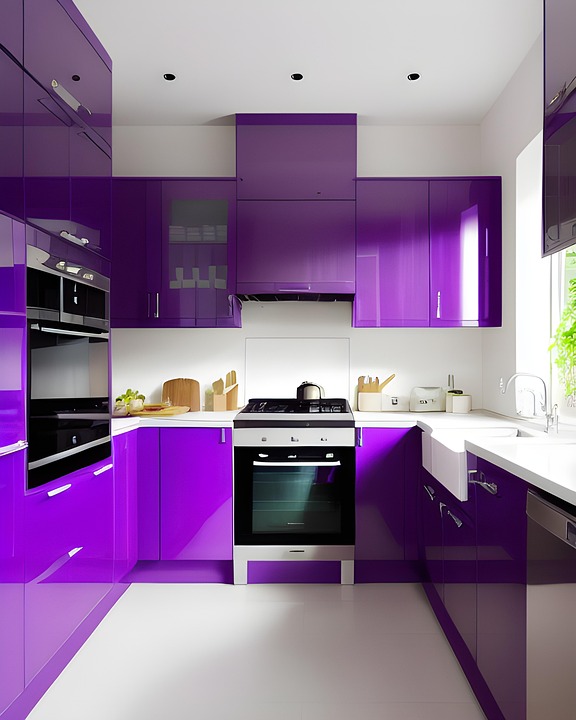
- Cool colors like blue, green, and purple can promote calmness, relaxation, and focus. These colors are suitable for kitchens where people need to concentrate on cooking and meal preparation.
- Neutral colors like white, gray, and beige can create a sense of balance, simplicity, and cleanliness. These colors are perfect for kitchens where a calm and serene atmosphere is desired.
Lighting and Mood
Lighting is another essential aspect of kitchen design that can affect our mood and productivity. Natural light is the most desirable type of lighting, as it can boost our mood, energy, and cognitive function. However, if natural light is not possible, artificial lighting can be used to create a similar effect.
- Bright and overhead lighting can create a sense of energy and alertness, making it ideal for tasks that require attention and focus, such as cooking and meal preparation.
- Soft and warm lighting can promote relaxation and social interaction, making it perfect for kitchens where people gather to eat and socialize.
- Task lighting, such as under-cabinet lighting, can help reduce eye strain and improve focus, making it ideal for tasks that require precision and attention to detail.
The Importance of Ergonomics
Ergonomics plays a critical role in kitchen design, as it can impact our physical and mental well-being. A well-designed kitchen can reduce fatigue, improve productivity, and promote safety.
- The “work triangle” concept, which refers to the distance between the sink, stove, and refrigerator, should be optimized to reduce walking distances and improve workflow.
- Countertops and workspaces should be designed to promote comfort and reduce strain, with adequate space for food preparation and cooking.
- Storage and organization systems should be designed to reduce clutter and improve accessibility, making it easier to find what you need when you need it.
The Role of Texture and Materiality
Texture and materiality can add depth and visual interest to a kitchen, but they can also impact our mood and behavior. Different textures and materials can evoke various emotions and stimulate our senses in distinct ways.
- Natural materials like wood, stone, and plants can promote a sense of calmness, relaxation, and connection to nature.
- Smooth and reflective surfaces like glass, metal, and ceramic can create a sense of modernity, sophistication, and elegance.
- Textured surfaces like brick, concrete, and wood can add warmth, character, and visual interest to a kitchen.
The Psychology of Layout
The layout of a kitchen can significantly impact our mood and productivity. A well-designed layout can improve workflow, reduce congestion, and promote social interaction.
- The “hub-and-spoke” layout, which refers to a central island or workstation surrounded by peripheral counters and appliances, can promote social interaction and improve workflow.
- The ” linear” layout, which refers to a straight line of counters and appliances, can improve efficiency and reduce congestion.
- The “L-shaped” layout, which refers to a corner-based design with two adjacent counters, can promote flexibility and improve workflow.
Conclusion
The psychology of kitchen design is a complex and multifaceted field that requires careful consideration of various factors, including color, lighting, ergonomics, texture, and layout. By understanding the psychological aspects of kitchen design, you can create a space that not only looks good but also boosts mood and productivity. Whether you’re designing a new kitchen or renovating an existing one, remember to consider the psychological impact of your design choices and create a space that promotes well-being, efficiency, and joy.