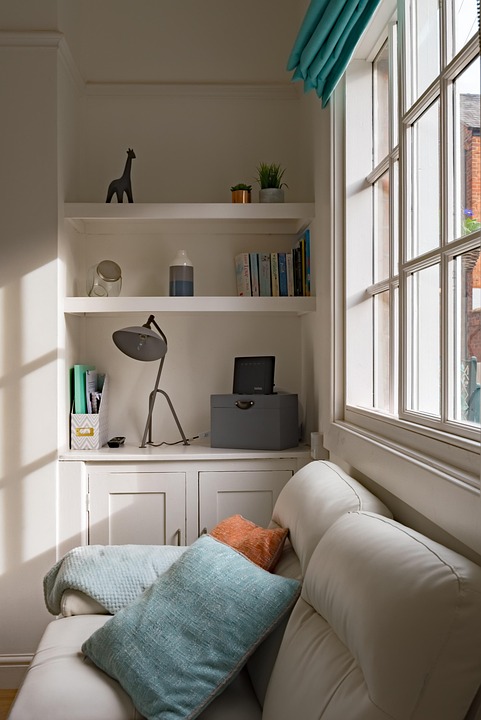
The Power of Texture: How to Mix and Match Different Textures in Your Living Room Furniture
When it comes to designing a living room, many of us focus on choosing the perfect colors, furniture pieces, and decor. However, there’s another crucial element that can elevate the look and feel of your space: texture. Mixing and matching different textures can add depth, visual interest, and tactility to your living room furniture, creating a cozy and inviting atmosphere. In this article, we’ll explore the power of texture and provide tips on how to combine different textures to create a unique and harmonious living room.
Why Texture Matters
Texture refers to the surface quality or “feel” of an object. It can be smooth, rough, soft, or hard, and it plays a significant role in creating a sensory experience in your living room. Different textures can evoke emotions, create contrast, and add layering to your space. For example, a plush throw blanket can invite snuggling, while a rough-hewn wood coffee table can add a sense of rustic charm.
Common Textures in Living Room Furniture
Here are some common textures you can find in living room furniture:
- Velvet: Soft, luxurious, and smooth, velvet is often used in upholstery, throw pillows, and blankets.
- Leather: Supple, yet durable, leather is a popular choice for sofas, armchairs, and ottomans.
- Wood: From smooth, polished wood to rough-hewn, reclaimed wood, this texture adds warmth and coziness to your space.
- Woven fibers: Wicker, rattan, and jute are examples of woven fibers that can add a natural, organic feel to your furniture.
- Metal: Sleek, modern, and industrial, metal is often used in lighting fixtures, side tables, and decorative accents.
- Glass: Smooth, reflective, and elegant, glass is commonly used in coffee tables, mirrors, and vases.
- Plush: Soft, chunky, and inviting, plush textures are often used in throw blankets, pillows, and rugs.
Tips for Mixing and Matching Textures
Now that you’re familiar with common textures, here are some tips for mixing and matching them in your living room furniture:
- Start with a neutral base: Choose a dominant texture, such as a velvet sofa, and use it as a base for your room.
- Add contrasting textures: Combine smooth textures, like leather or glass, with rougher textures, like wood or woven fibers, to create contrast and visual interest.
- Balance soft and hard textures: Mix soft, plush textures with harder textures, like metal or wood, to create a balanced and harmonious space.
- Consider the 60-30-10 rule: Allocate 60% of your room to a dominant texture, 30% to a secondary texture, and 10% to an accent texture.
- Don’t forget about scale: Ensure that the scale of your textures is balanced, with larger textures, like a statement piece of furniture, balanced by smaller textures, like throw pillows.
- Experiment with layering: Layer different textures, like a throw blanket over a velvet sofa, to add depth and tactility to your space.
Example Textural Combinations
Here are some example textural combinations to inspire you:
- Velvet sofa + woven fiber rug + metal coffee table: This combination pairs soft, luxurious velvet with natural, organic woven fibers and sleek, modern metal.
- Leather armchair + wood side table + glass vase: This combination combines supple leather with warm, natural wood and smooth, reflective glass.
- Plush throw blanket + wooden coffee table + metal pendant light: This combination pairs soft, inviting plush with rough-hewn wood and sleek, industrial metal.
Conclusion
Mixing and matching different textures in your living room furniture can add complexity, depth, and visual interest to your space. By understanding common textures, starting with a neutral base, and balancing contrasting textures, you can create a unique and harmonious living room that reflects your personal style. Remember to experiment with layering, consider scale, and have fun with the process of combining different textures to create a space that’s truly yours.