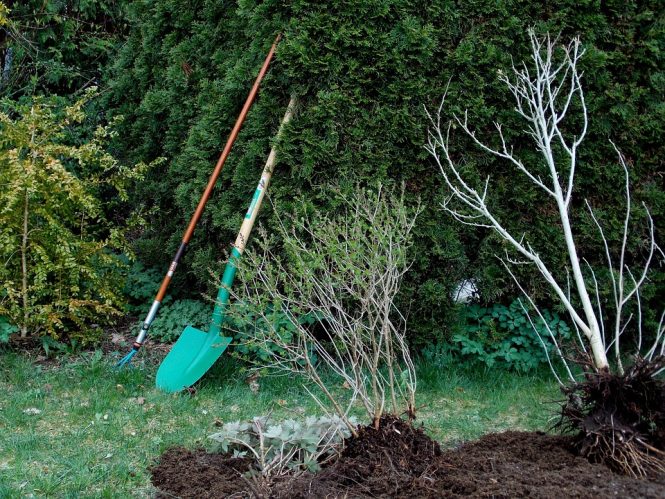
As the world grapples with the challenges of climate change, habitat destruction, and biodiversity loss, creating pollinator-friendly gardens has become an essential step in supporting local wildlife. These gardens not only provide a haven for bees, butterflies, and other pollinators but also contribute to the overall health of the ecosystem. In this article, we will explore the importance of pollinator-friendly gardens, discuss the key elements of designing such a space, and provide tips on how to create a thriving oasis for local wildlife.
Why Pollinator-Friendly Gardens Matter
Pollinators, including bees, butterflies, moths, and hummingbirds, play a vital role in maintaining the health of our ecosystems. They are responsible for pollinating over 75% of the world’s crop species, including fruits, vegetables, and nuts. Without these tiny creatures, our food supply would be severely impacted, and many plant species would be unable to reproduce. However, pollinators are facing numerous threats, including habitat loss, pesticide use, and climate change, which have led to a decline in their populations.
Designing a Pollinator-Friendly Garden
Creating a pollinator-friendly garden requires careful planning and consideration of the specific needs of local wildlife. Here are some key elements to include:
- Native Plants: Incorporate native plants, shrubs, and trees that provide nectar, pollen, and host plants for caterpillars. These plants have evolved alongside local pollinators and are more likely to attract them to your garden.
- Diversity of Plants: Include a diverse range of plants that bloom at different times, providing a constant source of food and shelter for pollinators throughout the growing season.
- Sun and Shelter: Provide a mix of sunny and shady areas, as well as sheltered spots for pollinators to escape harsh weather conditions.
- Water Source: Incorporate a water source, such as a birdbath or pond, with fresh water and a few rocks or twigs for perching.
- Minimize Pesticides: Avoid using pesticides, which can harm or kill pollinators. Instead, adopt integrated pest management techniques that prioritize natural methods of controlling pests.
- Soil Quality: Maintain healthy soil by adding organic matter, such as compost, and avoiding tillage, which can damage soil structure and harm beneficial microorganisms.
Tips for Creating a Thriving Pollinator-Friendly Garden
- Choose Single-Flowered Varieties: Single-flowered varieties, such as daisies and sunflowers, are more attractive to pollinators than double-flowered varieties.
- Incorporate Herbs: Many herbs, such as lavender, rosemary, and thyme, are rich in nectar and pollen, making them a great addition to a pollinator-friendly garden.
- Provide Nesting Sites: Incorporate nesting sites, such as bee hotels or native plant stems, to provide shelter for solitary bees and other pollinators.
- Leave Some Areas Wild: Leave some areas of your garden unmanicured, allowing native plants to grow and providing habitat for beneficial insects.
- Monitor and Learn: Observe the pollinators visiting your garden and learn about their specific needs and preferences.
Benefits of Pollinator-Friendly Gardens
Creating a pollinator-friendly garden not only supports local wildlife but also provides numerous benefits for gardeners, including:
- Increased Biodiversity: Pollinator-friendly gardens attract a wide range of beneficial insects, birds, and other wildlife, increasing biodiversity and ecosystem health.
- Improved Crop Yields: By supporting pollinators, gardeners can improve crop yields and enjoy a more abundant harvest.
- Enhanced Garden Beauty: Pollinator-friendly gardens are often filled with a diverse range of colorful flowers, shrubs, and trees, making them a beautiful and welcoming space.
- Connection to Nature: Creating a pollinator-friendly garden provides an opportunity to connect with nature, learn about local wildlife, and cultivate a sense of stewardship for the environment.
In conclusion, designing a pollinator-friendly garden is a simple yet effective way to support local wildlife and contribute to the health of our ecosystems. By incorporating native plants, diversity, sun, shelter, water, and minimizing pesticides, gardeners can create a thriving oasis for pollinators. Remember to choose single-flowered varieties, incorporate herbs, provide nesting sites, leave some areas wild, and monitor and learn from your garden. By taking these steps, you can enjoy the numerous benefits of pollinator-friendly gardens, including increased biodiversity, improved crop yields, enhanced garden beauty, and a deeper connection to nature.