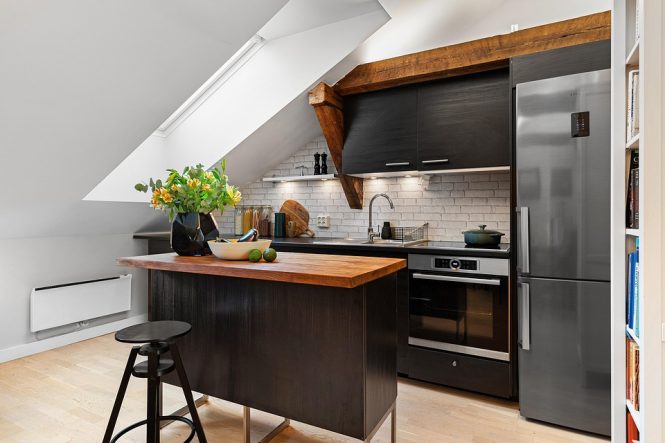
As the world becomes increasingly aware of the importance of sustainability, homeowners are seeking ways to reduce their environmental footprint in every aspect of their lives, including their kitchens. One often-overlooked area is kitchen cabinets, which can have a significant impact on the environment due to the materials used in their construction. In this article, we will explore the world of sustainable kitchen cabinets, highlighting eco-friendly options for the conscious homeowner.
The Environmental Impact of Traditional Kitchen Cabinets
Traditional kitchen cabinets are often made from materials such as medium-density fiberboard (MDF), particleboard, and plywood, which are typically manufactured from virgin wood and bonded with adhesives containing formaldehyde. These materials can contribute to deforestation, air pollution, and indoor air quality issues. Additionally, the production process for these materials often involves energy-intensive manufacturing and transportation, resulting in a significant carbon footprint.
Eco-Friendly Alternatives
Fortunately, there are several eco-friendly alternatives to traditional kitchen cabinets. Some of the most popular options include:
- Bamboo Cabinets: Bamboo is a highly renewable resource that is resistant to pests and decay. It requires minimal water and pesticides to grow, making it an attractive option for sustainable kitchen cabinets.
- Reclaimed Wood Cabinets: Reclaimed wood is salvaged from old buildings, barns, and other structures, reducing the demand for virgin wood and minimizing waste.
- Low-VOC (Volatile Organic Compound) Cabinets: Some manufacturers offer cabinets made from materials with low VOC emissions, which can improve indoor air quality and reduce the risk of health problems.
- FSC-Certified Cabinets: The Forest Stewardship Council (FSC) certification ensures that wood products come from responsibly managed forests, promoting sustainable forestry practices.
- Recycled Plastic Cabinets: Some companies are now producing cabinets made from recycled plastic, which can help reduce waste and minimize the environmental impact of plastic production.
Certifications to Look For
When shopping for sustainable kitchen cabinets, look for certifications such as:
- FSC (Forest Stewardship Council): Ensures that wood products come from responsibly managed forests.
- Greenguard Gold: Certifies that products meet stringent standards for low VOC emissions and indoor air quality.
- LEED (Leadership in Energy and Environmental Design): Recognizes buildings and products that meet high standards for energy efficiency and environmental sustainability.
- Cradle to Cradle: Certifies that products are designed and manufactured with sustainability and recyclability in mind.
Benefits of Sustainable Kitchen Cabinets
In addition to the environmental benefits, sustainable kitchen cabinets can also offer several practical advantages, including:
- Improved Indoor Air Quality: Low-VOC materials and finishes can reduce the risk of health problems and improve the overall comfort of your kitchen.
- Durability: Sustainable materials such as bamboo and reclaimed wood can be more resistant to wear and tear, reducing the need for frequent replacements.
- Aesthetic Appeal: Eco-friendly cabinets can add a unique touch to your kitchen, with many options available in a range of styles and finishes.
- Increased Property Value: Sustainable kitchen cabinets can be a major selling point for environmentally conscious homebuyers, potentially increasing your property value.
Conclusion
Sustainable kitchen cabinets are a great way for conscious homeowners to reduce their environmental footprint while creating a beautiful and functional kitchen space. By choosing eco-friendly materials, looking for certifications such as FSC and Greenguard Gold, and considering the benefits of sustainable cabinets, you can create a kitchen that is not only stylish but also sustainable. Remember, every small step counts, and making informed choices about your kitchen cabinets can have a significant impact on the environment.