Rethinking the Lawn: Alternative Garden Design Ideas for a More Sustainable Future
The traditional lawn, with its manicured grass and uniform appearance, has been a staple of suburban landscaping for decades. However, as concerns about climate change, water conservation, and environmental sustainability continue to grow, many homeowners are beginning to rethink the lawn. In this article, we will explore alternative garden design ideas that can help create a more sustainable future for our outdoor spaces.
The Problems with Traditional Lawns
Traditional lawns require significant amounts of water, fertilizers, and pesticides to maintain their appearance. This can lead to a range of environmental problems, including:
- Water pollution: Fertilizers and pesticides can run off into storm drains and contaminate local waterways.
- Water waste: Lawns require frequent watering, which can strain local water resources, especially during times of drought.
- Soil degradation: The use of fertilizers and pesticides can damage soil health and reduce its ability to support plant life.
Alternative Garden Design Ideas
Fortunately, there are many alternative garden design ideas that can help reduce the environmental impact of traditional lawns. Some of these ideas include:
- Meadow Gardens: Meadow gardens feature a mix of native grasses and wildflowers, which require less water and maintenance than traditional lawns. These gardens can also provide habitat for local wildlife and support biodiversity.
- Permeable Pavers: Permeable pavers allow rainwater to percolate through the surface, reducing stormwater runoff and filtering out pollutants. This can help reduce the amount of water that enters storm drains and protect local waterways.
- Rain Gardens: Rain gardens are shallow depressions in the ground that collect and filter rainwater. These gardens can help reduce stormwater runoff and create habitat for local wildlife.
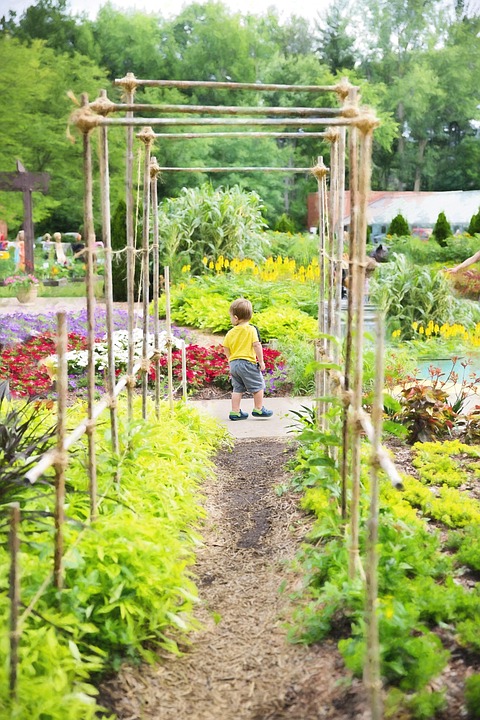
- Food Gardens: Food gardens feature a mix of fruits, vegetables, and herbs, which can provide a sustainable source of food for homeowners. These gardens can also help reduce the amount of water and fertilizers required for traditional lawns.
- Native Plant Gardens: Native plant gardens feature plants that are native to the local region, which require less water and maintenance than non-native plants. These gardens can also provide habitat for local wildlife and support biodiversity.
- Green Roofs: Green roofs feature a layer of vegetation on top of a building, which can help reduce stormwater runoff and provide insulation. These roofs can also create habitat for local wildlife and support biodiversity.
- Xeriscaping: Xeriscaping is a type of landscaping that uses drought-tolerant plants and efficient irrigation systems to reduce water consumption. This approach can help reduce the amount of water required for traditional lawns and create a more sustainable outdoor space.
Benefits of Alternative Garden Design Ideas
Alternative garden design ideas can provide a range of benefits, including:
- Water conservation: Many alternative garden design ideas require less water than traditional lawns, which can help reduce the strain on local water resources.
- Reduced maintenance: Alternative garden design ideas often require less maintenance than traditional lawns, which can save homeowners time and money.
- Increased biodiversity: Alternative garden design ideas can provide habitat for local wildlife and support biodiversity, which can help create a more sustainable ecosystem.
- Improved soil health: Alternative garden design ideas can help improve soil health by reducing the use of fertilizers and pesticides, which can support plant life and reduce the risk of soil degradation.
Conclusion
Rethinking the lawn is an important step towards creating a more sustainable future for our outdoor spaces. By exploring alternative garden design ideas, homeowners can reduce their environmental impact, conserve water, and create a more beautiful and biodiverse outdoor space. Whether it’s a meadow garden, permeable pavers, or a food garden, there are many options available for those looking to rethink the traditional lawn. By working together, we can create a more sustainable future for our outdoor spaces and help protect the environment for generations to come.