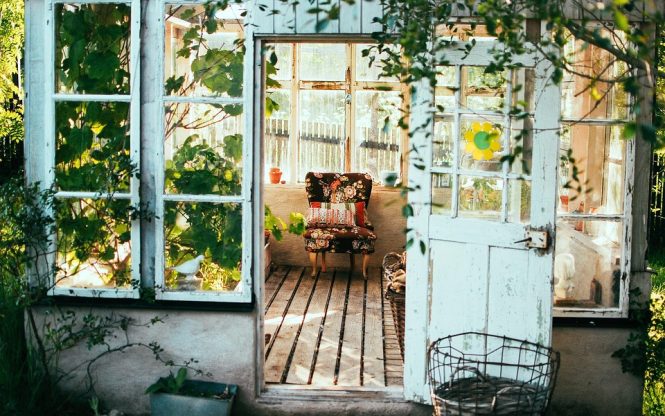
Small but Mighty: Maximizing Space in Compact Gardens through Clever Design
As the world becomes increasingly urbanized, many of us are left with smaller outdoor spaces to call our own. However, just because your garden is compact doesn’t mean it can’t be a thriving oasis. With clever design and a few smart strategies, you can maximize the space in your small garden and create a beautiful, functional, and productive area that belies its size.
Assessing Your Space
Before you begin designing your compact garden, take the time to assess your space carefully. Note the amount of sunlight it receives, the soil type, and any existing features such as walls, fences, or slopes. Consider the style and theme you want to achieve, as well as the purpose of your garden – is it for relaxation, entertainment, or growing your own food?
Vertical Gardening
One of the most effective ways to maximize space in a compact garden is to go vertical. By using trellises, arbors, or wall-mounted planters, you can train climbing plants to grow upwards, making the most of your garden’s vertical space. This technique is perfect for vining plants like tomatoes, peas, and cucumbers, and can also be used to create a living screen or divider.
Layered Planting
Another clever design strategy for compact gardens is layered planting. By planting a mix of tall, medium, and low-growing plants, you can create a visually interesting and layered effect that makes the most of your available space. For example, plant tall sunflowers or ornamental grasses towards the back of your garden, with medium-sized shrubs and perennials in the middle, and low-growing herbs or groundcover at the front.
Container Gardening
Container gardening is a great way to add plants to your compact garden without taking up too much space. Choose containers that are proportional to the size of your plants, and use a mix of large and small containers to create visual interest. Consider using self-watering containers or planters with built-in irrigation systems to minimize maintenance.
Multi-Functional Features
In a compact garden, every feature should serve multiple purposes. For example, a bench can provide seating while also serving as a planter or storage unit. A small pond or water feature can add visual interest while also providing a habitat for birds and other wildlife. Consider using multi-functional features like these to get the most out of your space.
Pathways and Access
Finally, don’t forget to consider pathways and access when designing your compact garden. A narrow, winding path can create the illusion of a larger space, while also providing access to different areas of the garden. Use materials like gravel, stone, or brick to create a durable and low-maintenance path that complements the rest of your garden.
Tips and Tricks
Here are a few more tips and tricks to help you maximize space in your compact garden:
- Use mirrors or reflective surfaces to create the illusion of a larger space
- Incorporate optical illusions, such as a narrow path that appears to lead to a larger area
- Choose plants with compact or dwarf varieties to save space
- Use raised beds or planters to create separate areas for different types of plants
- Consider using a “keyhole” garden design, where a narrow path leads to a central planting area
Conclusion
With a little creativity and clever design, even the smallest of gardens can become a thriving and beautiful oasis. By using strategies like vertical gardening, layered planting, and multi-functional features, you can maximize the space in your compact garden and create a functional, productive, and enjoyable area that belies its size. So don’t be limited by the size of your garden – think outside the box and get creative!