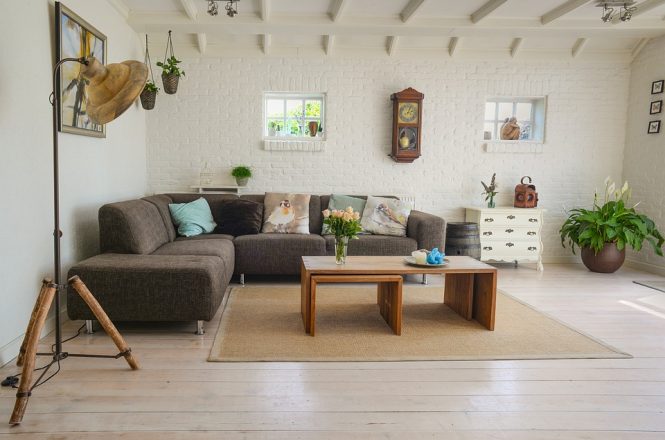
Sectional sofas have become a staple in many living rooms, offering a versatile and comfortable seating solution for families and individuals alike. However, like any piece of furniture, sectional sofas have their pros and cons. In this article, we’ll delve into the advantages and disadvantages of sectional sofas, helping you make an informed decision when choosing the perfect furniture for your home.
Pros of Sectional Sofas
- Space Efficiency: Sectional sofas are designed to maximize space, making them ideal for large families or small rooms. They can be configured to fit snugly into corners, against walls, or even around a fireplace.
- Comfort and Versatility: Sectional sofas provide ample seating and reclining space, allowing multiple people to relax and socialize. They often come with adjustable headrests, armrests, and footrests, ensuring that everyone can find their perfect position.
- Customization: Many sectional sofas are modular, allowing you to mix and match different pieces to create a unique configuration that suits your needs. This flexibility also makes it easy to update or replace individual sections as needed.
- Style and Aesthetics: Sectional sofas come in a wide range of styles, from modern and sleek to traditional and elegant. They can be upholstered in various materials, such as leather, fabric, or microfiber, to match your home’s décor.
- Practicality: Sectional sofas often include built-in features like cup holders, storage compartments, and USB ports, making them a practical choice for everyday use.
Cons of Sectional Sofas
- Size and Bulk: Sectional sofas can be large and bulky, making them difficult to maneuver through doorways, hallways, or staircases. This can be a challenge when moving into a new home or rearranging your furniture.
- Cost: While sectional sofas can be a cost-effective option in the long run, they can be more expensive to purchase upfront, especially if you’re looking for a high-quality, custom-made piece.
- Limited Mobility: Once a sectional sofa is assembled, it can be difficult to move individual pieces around. This can limit your ability to rearrange your furniture or try out new layouts.
- Seam and Connection Issues: Sectional sofas are made up of multiple pieces, which can lead to seam and connection issues over time. If not properly maintained, these connections can become worn or broken, compromising the sofa’s overall stability.
- Cleaning and Maintenance: Sectional sofas can be more challenging to clean and maintain than other types of furniture, particularly if they have intricate designs or multiple crevices. This can lead to dust buildup, stains, and wear and tear.
Tips for Choosing the Perfect Sectional Sofa
- Measure Your Space: Before purchasing a sectional sofa, measure your room carefully to ensure that the sofa will fit comfortably and leave enough space to move around.
- Consider Your Lifestyle: Think about how you’ll be using your sectional sofa. If you have a large family or like to entertain, a bigger sofa with more seating and features may be the way to go.
- Choose a Durable Material: Select a material that’s easy to clean and maintain, such as leather or a stain-resistant fabric.
- Look for Modular Designs: Opt for a modular sectional sofa that allows you to easily reconfigure or replace individual pieces as needed.
- Check the Warranty and Support: Make sure to check the manufacturer’s warranty and support options in case you encounter any issues with your sectional sofa.
In conclusion, sectional sofas offer a unique combination of comfort, versatility, and style, making them a popular choice for many homeowners. While they do come with some drawbacks, such as size and cost, these can be mitigated by careful planning and consideration of your needs and lifestyle. By weighing the pros and cons and following our tips for choosing the perfect sectional sofa, you can find the ideal piece of furniture to enhance your living space and provide years of comfort and enjoyment.