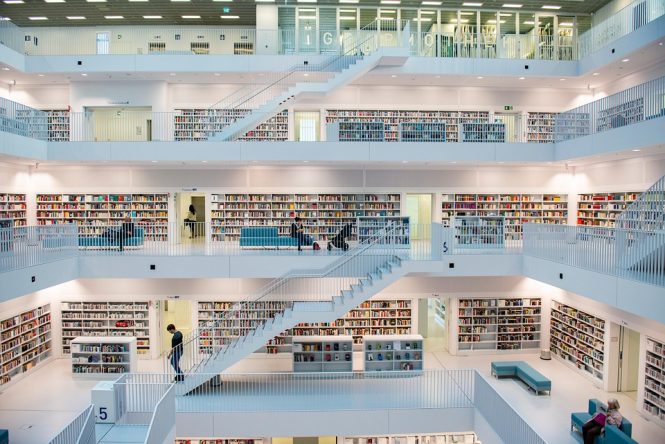
10 Trends That Will Define Modern Interior Design in 2025
As we approach the year 2025, the world of interior design is poised for a significant transformation. The next few years will see a shift towards more sustainable, technologically advanced, and health-conscious design principles. In this article, we will explore the top 10 trends that will define modern interior design in 2025.
1. Sustainable Materials
The use of sustainable materials will become increasingly prominent in interior design. With growing concerns about climate change and environmental degradation, homeowners and designers will prioritize eco-friendly materials, such as reclaimed wood, bamboo, and low-VOC paints. This trend will not only reduce the carbon footprint of buildings but also create healthier living spaces.
2. Biophilic Design
Biophilic design, which incorporates elements of nature into interior spaces, will continue to gain popularity. This trend will see a surge in the use of green walls, living roofs, and natural materials, such as stone and wood. Biophilic design has been shown to improve air quality, reduce stress, and boost productivity, making it a top priority for modern interior design.
3. Smart Home Technology
Smart home technology will become an integral part of modern interior design. With the rise of voice assistants, such as Alexa and Google Home, and the increasing use of mobile devices, homeowners will expect seamless integration of technology into their living spaces. This trend will see a growth in smart lighting, thermostats, and security systems, making homes more efficient, convenient, and secure.
4. Minimalism and Maximalism
The debate between minimalism and maximalism will continue, with designers and homeowners embracing both styles. Minimalist interiors will focus on clean lines, neutral colors, and limited ornamentation, while maximalist spaces will feature bold colors, patterns, and eclectic decor. This trend will celebrate individuality and self-expression, allowing homeowners to create spaces that reflect their unique personalities.
5. Wellness-Centric Design
Wellness-centric design will become a major focus in modern interior design. With the growing awareness of mental and physical health, designers will prioritize features that promote well-being, such as natural light, air purification systems, and ergonomic furniture. This trend will see a growth in the use of calming colors, textures, and scents, creating spaces that nourish both body and mind.
6. Multifunctional Spaces
The rise of remote work and urbanization will lead to a demand for multifunctional spaces. Homeowners will require spaces that can adapt to different activities, such as living, working, and entertaining. This trend will see a growth in the use of modular furniture, sliding walls, and convertible spaces, creating flexible and efficient living areas.
7. Cultural and Historical Influences
Cultural and historical influences will continue to shape modern interior design. Designers will draw inspiration from global cultures, incorporating traditional patterns, motifs, and materials into their designs. This trend will celebrate diversity and individuality, creating unique and fascinating spaces that reflect the owner’s heritage and personality.
8. 3D Printing and Digital Fabrication
The use of 3D printing and digital fabrication will revolutionize the interior design industry. These technologies will enable designers to create complex shapes, customized furniture, and intricate details, opening up new possibilities for innovation and creativity. This trend will see a growth in the use of bespoke designs, unique materials, and futuristic aesthetics.
9. Acoustic Design
Acoustic design will become an essential aspect of modern interior design. With the increasing awareness of noise pollution and its impact on mental health, designers will prioritize acoustic comfort, using materials and technologies that reduce echo, reverberation, and background noise. This trend will see a growth in the use of sound-absorbing materials, acoustic panels, and noise-reducing systems.
10. Virtual and Augmented Reality
Finally, virtual and augmented reality will transform the interior design industry. These technologies will enable designers to create immersive, interactive experiences, allowing clients to visualize and explore their spaces in unprecedented ways. This trend will see a growth in the use of virtual reality tours, augmented reality furniture placement, and immersive design experiences, revolutionizing the way we design, communicate, and interact with interior spaces.
In conclusion, the year 2025 will bring a new wave of innovation and creativity to the world of interior design. From sustainable materials and biophilic design to smart home technology and wellness-centric design, these 10 trends will define the future of modern interior design. As designers and homeowners, we must embracing these trends and prioritize creativity, sustainability, and functionality, creating spaces that not only inspire and delight but also promote well-being and happiness.


